
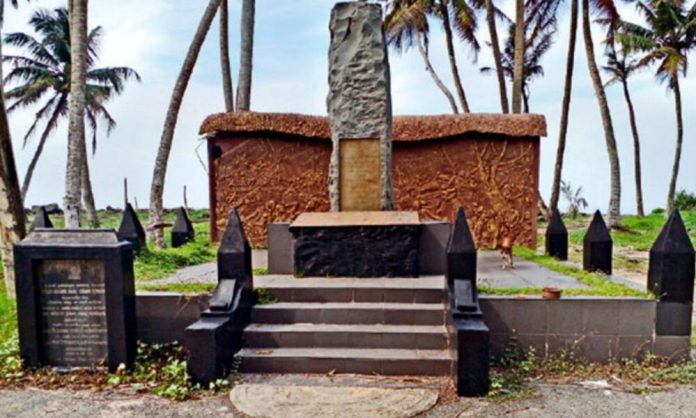

Sri Lanka on Friday marked 21 years since the Indian Ocean tsunami that devastated the island and much of Asia, killing tens of thousands and leaving millions homeless.
On 26 December 2004, a magnitude-9.1 earthquake off Indonesia’s western coast triggered towering waves that battered 14 countries from Indonesia to Somalia. The disaster — also known as the Sumatra–Andaman earthquake, the Asian tsunami, or the Boxing Day tsunami — claimed more than 35,000 lives in Sri Lanka, with over 5,000 reported missing, and caused damage worth billions of dollars.
To honour the victims, the National Disaster Management Centre urged the public to observe a two-minute silence from 9:25 a.m. to 9:27 a.m. The commemoration, held annually, has been observed since 2005, when Sri Lanka declared 26 December as “National Safety Day.”
The tsunami remains the deadliest natural disaster in Sri Lanka’s history. However, officials say Cyclone Dittwa, which struck recently, has been the most severe calamity since then. Torrential rains, floods, and landslides linked to the cyclone and the intensified northeast monsoon have killed 643 people, left 183 missing, and affected more than two million across the island.