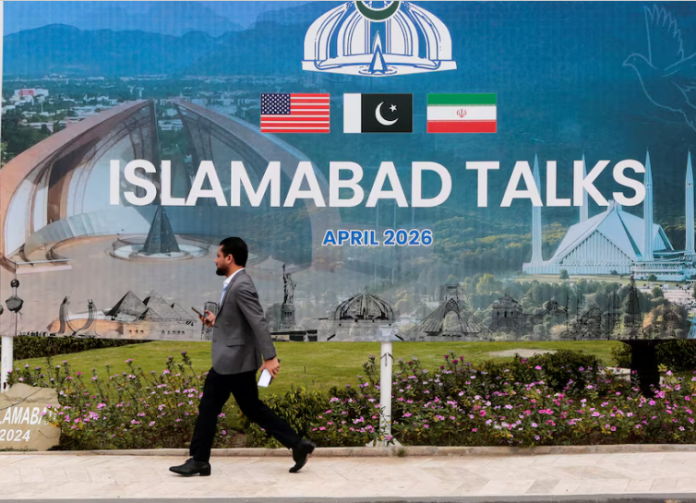

Vice-President JD Vance said that the United States and Iran had failed to reach an agreement following high-stakes talks held in Islamabad, signalling continued uncertainty over one of the world’s most volatile geopolitical standoffs.
Speaking after the discussions, Vance said the US had entered negotiations “in good faith” but stressed that any future agreement would depend on Iran demonstrating a “fundamental commitment” to not developing nuclear weapons. He confirmed he would depart Pakistan following the conclusion of the talks.
Iran’s Foreign Ministry described the negotiations as “intensive”, while urging Washington to avoid what it called “excessive demands and unlawful requests”. The remarks pointed to persistent divisions between the two sides, despite the rare direct engagement.
The talks, hosted in Pakistan, were seen as significant due to the seniority and negotiating authority of both delegations, raising initial expectations of progress. However, the absence of a breakthrough underscores the deep mistrust that continues to define US–Iran relations.
Earlier, US President Donald Trump downplayed the outcome, stating that it “makes no difference” whether a deal is reached, adding that “regardless what happens, we win”. The remarks suggested a hardened stance from Washington amid stalled diplomacy.
Meanwhile, regional tensions have intensified. US Central Command said two US Navy destroyers had passed through the strategically vital Strait of Hormuz as part of operations to clear sea mines. Iran rejected the claim, denying any such activity in the waterway.
The Strait of Hormuz, a critical global oil shipping route, remains a focal point for international concern, particularly for energy-importing countries like Sri Lanka that are vulnerable to supply disruptions and price volatility.
In a parallel development, Israel has continued strikes on Hezbollah targets, further escalating tensions in the region. Israeli Prime Minister Benjamin Netanyahu said he was seeking a peace agreement with Lebanon that “will last”, though no concrete framework has been announced.