
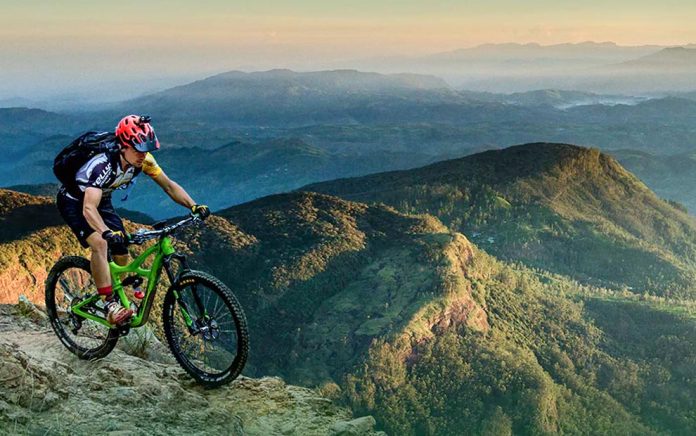

Sri Lanka’s hiking and trekking tourism industry is set to grow rapidly, with the market projected to reach USD 2.1 billion by 2035, up from USD 780 million in 2025. This growth, driven by a strong annual rate of 10.5%, highlights the island’s rising popularity as a top adventure and eco-tourism destination in South Asia.
Trails like Adam’s Peak, Knuckles, Ella, and Horton Plains are attracting both local and international travellers, while the government’s efforts to promote rural tourism and sustainable travel are boosting the sector further. The industry is also creating jobs in rural areas, especially in the Central and Uva Provinces, supporting local economies and eco-tourism initiatives.
Several key trends are driving this boom. More travellers are combining trekking with wellness experiences like yoga and Ayurveda. Cultural hikes to ancient temples and heritage sites are gaining popularity. Younger tourists, especially Millennials and Gen Z, are drawn to authentic, Instagram-worthy outdoor adventures. There’s also a growing demand for green travel, with both public and private sectors investing in eco-certifications and community-led tourism.
However, challenges such as poor trail infrastructure, weak emergency systems, and environmental damage from overuse remain. Seasonal weather patterns and climate-related disruptions also affect visitor numbers. (Sri Lanka’s hiking and trekking tourism industry is set to grow rapidly, with the market projected to reach USD 2.1 billion by 2035, up from USD 780 million in 2025. This growth, driven by a strong annual rate of 10.5%, highlights the island’s rising popularity as a top adventure and eco-tourism destination in South Asia.
Trails like Adam’s Peak, Knuckles, Ella, and Horton Plains are attracting both local and international travellers, while the government’s efforts to promote rural tourism and sustainable travel are boosting the sector further. The industry is also creating jobs in rural areas, especially in the Central and Uva Provinces, supporting local economies and eco-tourism initiatives.
Several key trends are driving this boom. More travellers are combining trekking with wellness experiences like yoga and Ayurveda. Cultural hikes to ancient temples and heritage sites are gaining popularity. Younger tourists, especially Millennials and Gen Z, are drawn to authentic, Instagram-worthy outdoor adventures. There’s also a growing demand for green travel, with both public and private sectors investing in eco-certifications and community-led tourism.
However, challenges such as poor trail infrastructure, weak emergency systems, and environmental damage from overuse remain. Seasonal weather patterns and climate-related disruptions also affect visitor numbers. (Sri Lanka’s hiking and trekking tourism industry is set to grow rapidly, with the market projected to reach USD 2.1 billion by 2035, up from USD 780 million in 2025. This growth, driven by a strong annual rate of 10.5%, highlights the island’s rising popularity as a top adventure and eco-tourism destination in South Asia.
Trails like Adam’s Peak, Knuckles, Ella, and Horton Plains are attracting both local and international travellers, while the government’s efforts to promote rural tourism and sustainable travel are boosting the sector further. The industry is also creating jobs in rural areas, especially in the Central and Uva Provinces, supporting local economies and eco-tourism initiatives.
Several key trends are driving this boom. More travellers are combining trekking with wellness experiences like yoga and Ayurveda. Cultural hikes to ancient temples and heritage sites are gaining popularity. Younger tourists, especially Millennials and Gen Z, are drawn to authentic, Instagram-worthy outdoor adventures. There’s also a growing demand for green travel, with both public and private sectors investing in eco-certifications and community-led tourism.
However, challenges such as poor trail infrastructure, weak emergency systems, and environmental damage from overuse remain. Seasonal weather patterns and climate-related disruptions also affect visitor numbers. (Future Market Insights Inc.)