
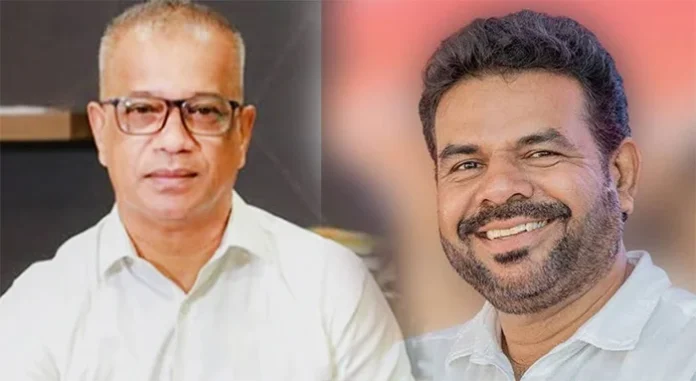

The absence of Agriculture Minister K.D. Lal Kantha and Deputy Minister Namal Karunaratne from the National People’s Power’s farmers’ rally in Polonnaruwa on Saturday (12) reflected the Government’s failure to address farmers’ grievances, the Sri Lanka Podujana Peramuna alleged.
Former SLPP Parliamentarian Sanjeewa Edirimanna claimed that Lal Kantha, a member of the NPP’s highest decision-making body, and Karunaratne had stayed away because they were unable to face the farming community.
He argued that their absence demonstrated the gravity of the agricultural crisis and sarcastically thanked the NPP for publicly acknowledging the situation.
Lal Kantha was not immediately available for comment. Responding to questions from The Island, Karunaratne said there was no requirement for every party representative to attend every NPP rally.
He said President Anura Kumara Dissanayake had addressed the gathering on behalf of the party and that their absence should not be considered an issue.
Asked whether their participation was important because it was the NPP’s inaugural farmers’ rally nearly two years after the presidential election, Karunaratne said the Polonnaruwa event had not been included in his schedule for 12 September.
Edirimanna noted that Lal Kantha had addressed the NPP rallies held in Bulathsinhala and Beruwala on 6 September at the launch of the party’s latest campaign.
He said the NPP could not justify the absence of both ministers responsible for agriculture from the Polonnaruwa rally. However, Edirimanna said he would not attribute their absence to an internal dispute, but to what he described as the Government’s broader failure to resolve farmers’ grievances.
He accused the Government of failing to introduce a fair pricing formula for paddy despite its promises. Referring to President Dissanayake’s latest pledge to implement an efficient paddy-purchasing programme during the next harvest, Edirimanna said the Government should accept responsibility for its previous failures.
He added that the Government’s pledge to introduce mandatory prices for different varieties of paddy had also remained unfulfilled.