


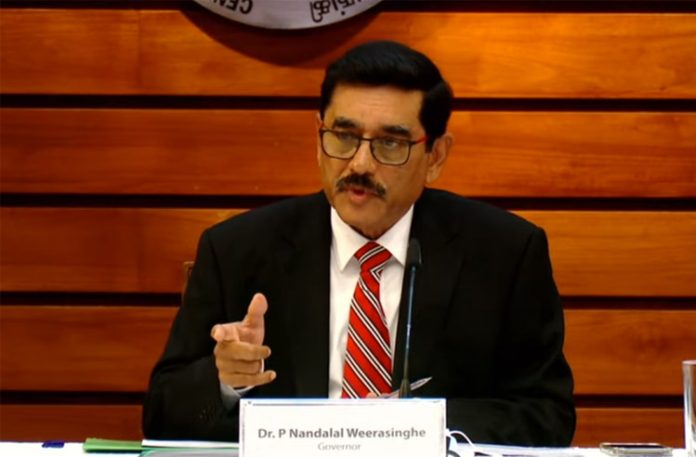

Sri Lanka is now in a stronger position to withstand global economic shocks, including rising oil prices and tensions in the Middle East, according to Central Bank Governor Nandalal Weerasinghe.
Speaking in an interview with Bloomberg, Weerasinghe said the country’s foreign reserves had increased from near zero during the economic crisis to more than $ 7 billion, providing an important buffer against external pressures.
He also noted that domestic inflation had dropped sharply from around 70% at the peak of the crisis to 1.6%, giving the Central Bank greater space to manage external shocks without destabilising the economy.
Weerasinghe clarified that the current risks facing the country are linked primarily to global supply chain disruptions rather than a shortage of foreign exchange domestically.
He added that the exchange rate would be used as a shock absorber to help maintain fiscal stability in the face of external pressures.
Commenting on Sri Lanka’s programme with the International Monetary Fund (IMF), the Governor said negotiations are expected to resume in March, with the next review likely to be approved by May 2026.
Weerasinghe also expressed optimism that Sri Lanka could record economic growth of close to 5% this year, exceeding earlier IMF projections.
However, he cautioned that a prolonged escalation of conflicts in the Middle East could pose risks to the country’s recovery, although Sri Lanka currently has sufficient buffers to maintain economic stability.