
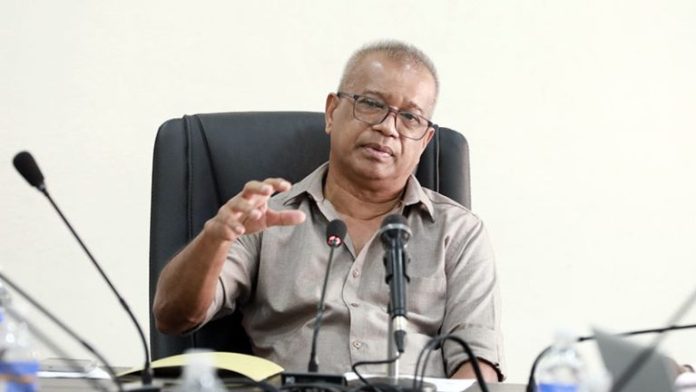

Agriculture Minister K.D. Lal Kantha has issued a stern warning to individuals engaged in illegal activities, declaring that there would be “no forgiveness” and that the Government would take decisive legal action when the time is right.
The remarks come amid escalating tensions between the Minister and Hiru TV over reports concerning his assets and liabilities declaration submitted to the Commission to Investigate Allegations of Bribery or Corruption.
The dispute arose after the channel allegedly misinterpreted details contained in the declaration. Following the broadcast, Lal Kantha sent a Letter of Demand to the network. Hiru TV later issued an apology and clarification, but subsequently released a statement on 20 April indicating that it would respond strongly to the Minister’s legal notice.
Speaking on accountability, Lal Kantha said the Government had initially prioritised a peaceful transition of power without political revenge or harassment, but was now prepared to enforce the law strictly.
He said the administration had been observing various actions and was ready to act decisively when necessary, adding that proceedings had already begun against one individual.
“There is no forgiveness. It is final,” he said, referring to those who engage in wrongdoing and seek pardon only after legal consequences arise.
The Minister said the Government would fulfil its legal responsibilities properly and would not offer second chances to those who disregard the law and apologise only after action is initiated.
Lal Kantha further said the public had given the Government a strong mandate, including a 159-seat parliamentary majority and the executive presidency, with the expectation that it would act rather than remain passive.
He added that while sections of the opposition and some media institutions may seek to undermine the Government, the administration remained focused on broader reforms, including modernising institutions such as the Paddy Marketing Board and supporting farmers affected by natural disasters.
However, on the issue of justice and unlawful conduct, he stressed that the period of merely listening had ended and the phase of legal accountability had begun.