
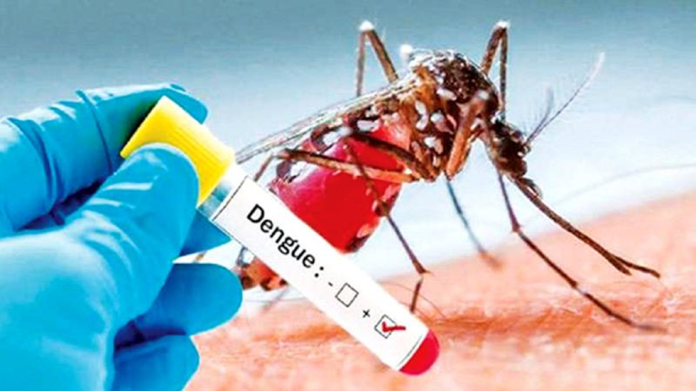


Sri Lanka recorded 1,069 dengue cases within the past 24 hours, bringing the total number of infections reported this year to 45,037, according to National Dengue Control Unit Director Dr. Kapila Kannangara.
Health authorities also confirmed that 28 dengue-related deaths have been reported so far this year.
The National Dengue Control Unit urged the public to seek medical attention if a fever persists for more than two days, warning that early diagnosis and treatment are critical in preventing severe complications.
Common symptoms of dengue include high fever, nausea or vomiting, headache, body aches, pain behind the eyes, facial flushing, and the appearance of small red spots under the skin.
Health officials warned that danger signs, which often emerge from the third day of illness onwards, include severe abdominal pain, refusal to eat or drink, unusual drowsiness, restlessness, reduced urine output, and bleeding from the nose, gums, skin, or other parts of the body. Vomiting or passing black or brown-coloured matter is also considered a serious warning sign.
Patients experiencing dengue symptoms have been advised to rest, avoid strenuous activities, drink plenty of fluids, and use only paracetamol for fever management. Authorities cautioned against the use of aspirin, steroids, or other painkillers without medical advice, as they may increase the risk of bleeding.
The Dengue Control Unit also called on the public to eliminate mosquito breeding sites by properly disposing of plastic containers, bottles, cans, and tyres, regularly cleaning water storage containers, clearing blocked gutters, and preventing water from collecting in plants, tree holes, and other outdoor locations.
Officials stressed that maintaining a clean environment remains the most effective way to curb the spread of dengue-carrying mosquitoes.