
As Sri Lanka continues to reel from the worst economic crisis in its post-independence history, sharp questions are being raised about the country’s chosen path to recovery. While the government remains committed to a reform package prescribed by the International Monetary Fund (IMF), critics warn that the solutions on offer may do more harm than good.
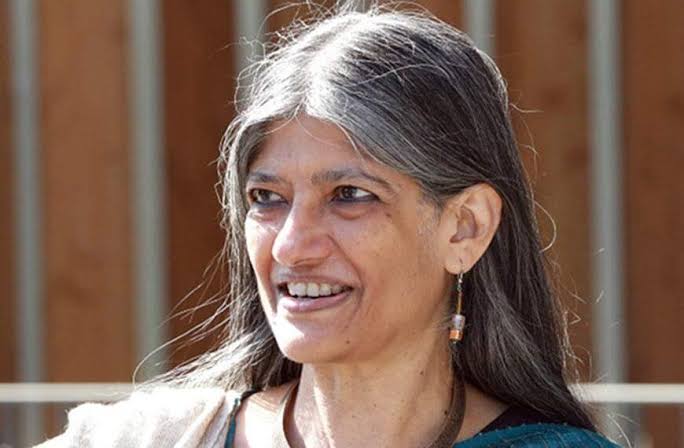
One of the most prominent voices challenging this direction is Professor Jayati Ghosh, a leading development economist, who in a recent interview with the Institute of Political Economy – Sri Lanka (IPE-SL), called for a radical shift in economic thinking.
A Crisis Misdiagnosed
According to Professor Ghosh, the IMF’s approach treats Sri Lanka’s crisis as a technical imbalance in budgets and payments – something to be fixed through fiscal tightening, privatisation, and liberalisation. However, she argues this model ignores the deep social and structural inequalities that underlie the collapse.
“There is a widespread tendency among multilateral institutions to apply a one-size-fits-all formula,” Ghosh said. “But these prescriptions disproportionately affect working people, pensioners, and the poor – those who did the least to cause this crisis.”
Since signing a bailout deal in 2023, Sri Lanka has been required to slash public spending, increase indirect taxes, and restructure debt. While these measures may satisfy creditors, their impact on everyday life has been severe – from reduced welfare benefits to soaring costs of living.
The Cost of Compliance
Public frustration is mounting, especially among low-income groups and rural communities who feel excluded from decision-making. Protests, strikes, and growing disillusionment have highlighted the social cost of adhering to IMF demands.
Ghosh warns that these austerity measures not only deepen poverty but threaten the country’s long-term development prospects. “Cutting essential public services and selling state assets is not reform – it’s retreat,” she said. “It sacrifices future stability for short-term targets set by lenders.”
A Call for Radical Alternatives
What, then, is the alternative? Ghosh argues for a development model rooted in justice, equity, and national sovereignty. This includes support for small-scale agriculture, progressive taxation on wealth and corporate profits, and greater investment in education, health, and public infrastructure.
She also advocates for democratic participation in economic planning, ensuring that those most affected by policy decisions have a say in shaping them. “Recovery must come from the ground up, not be imposed from the top down,” she said.
Ghosh’s intervention aligns with a growing body of Sri Lankan economists, civil society activists, and trade unionists who argue that the country must reclaim its economic sovereignty. Their message is not simply anti-IMF, but pro-people: that meaningful recovery is possible only when economic systems prioritise the wellbeing of citizens over external repayment schedules.
“The time for cosmetic tweaks is over,” Ghosh insists. “This is a moment for bold thinking, courageous policymaking, and a commitment to put people before profit.”
BY Methmalie Dissanayake
(This article was originally published on Ceylon Today on 28 April 2025)